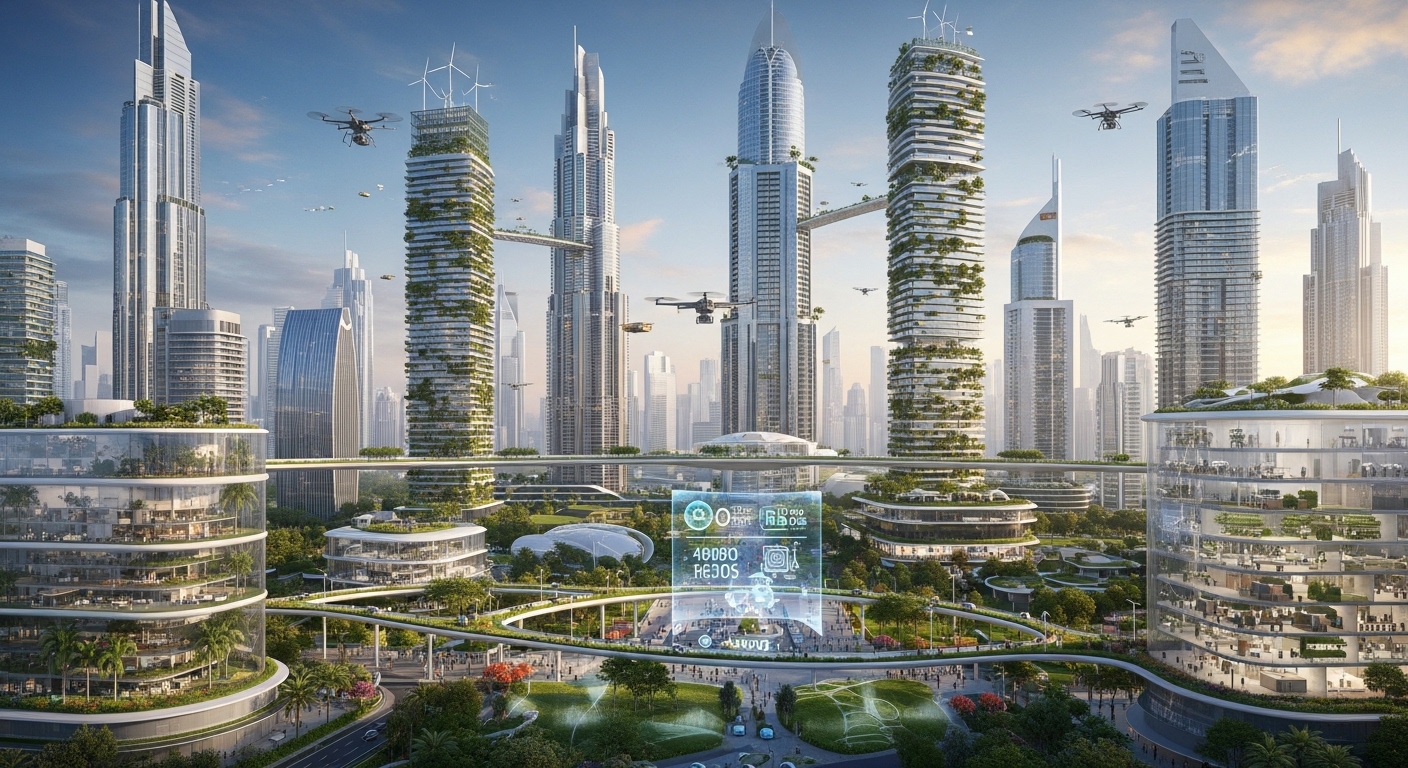
The future of Dubai real estate continues to attract global attention as the city evolves into one of the world’s most advanced and investor-friendly property markets. Over the past two decades, Dubai has transformed from a regional trading hub into a globally connected metropolis with world-class infrastructure, transparent regulations, and a diversified economy.
Unlike earlier market cycles driven by speculation, the upcoming phase of growth is defined by sustainability, end-user demand, and long-term planning. Investors, developers, and policymakers are aligned around a shared objective: building a resilient real estate market that delivers stable returns while supporting population growth and economic expansion.
This comprehensive guide explores what is the future of Dubai real estate, how the market is expected to evolve between 2026 and 2035, and why Dubai remains a preferred destination for international investors working with professional advisors such as property investment companies in Dubai.
Future of Dubai Real Estate Market: A Structural Shift
The future of Dubai real estate market is fundamentally different from earlier boom-and-bust cycles. Authorities have introduced strict regulatory frameworks, escrow laws, and master planning controls that prioritize long-term stability over rapid expansion.
Key structural changes shaping the market include:
-
Controlled supply aligned with population growth
-
Higher developer accountability and transparency
-
Focus on community-based developments
-
Increased end-user participation
-
Stronger data-driven planning
Dubai’s real estate market is now supported by real demand rather than speculative trading, making it more predictable and resilient for long-term investors exploring property investment in Dubai.
Population Growth and Urban Expansion
Population growth is one of the most important drivers of the future of real estate market in Dubai. The city continues to attract professionals, entrepreneurs, retirees, and high-net-worth individuals due to its lifestyle advantages and business-friendly policies.
Key population trends include:
-
Rising expatriate inflows
-
Increased long-term residency holders
-
Growth in family-oriented migration
-
Expansion of professional and skilled labor segments
This steady population increase directly supports demand for residential, commercial, and mixed-use properties, strengthening the fundamentals of Dubai real estate investment.
What Is the Future of Dubai Real Estate for Investors?
From an investor perspective, the future of Dubai real estate offers a balanced combination of income generation and capital preservation. Unlike highly priced global cities, Dubai still provides competitive entry points with higher yield potential.
Investor advantages include:
-
No property tax
-
No capital gains tax
-
High rental yields
-
Long-term residency incentives
-
Stable legal framework
Investors working with experienced firms such as property investment companies in Dubai are increasingly structuring diversified portfolios that include residential, commercial, and off-plan assets.
Rental Yields and Income Stability
Rental performance is expected to remain a cornerstone of Dubai’s real estate appeal between 2026 and 2035. Compared to global cities like London, New York, or Singapore, Dubai consistently offers higher net rental yields.
Key rental trends include:
-
Strong apartment demand from professionals
-
Stable villa rentals for families
-
Growth in short-term rental segments
-
Expansion of corporate leasing
These trends reinforce the attractiveness of property investment in Dubai for income-focused investors.
Future of Real Estate Investing in Dubai: Residential Outlook
Residential real estate will remain the foundation of Dubai’s property market. However, future growth will favor well-planned communities rather than isolated developments.
Emerging residential trends include:
-
Integrated lifestyle communities
-
Transit-oriented developments
-
Smart home technologies
-
Sustainability-focused construction
Apartments in connected districts and villas in master-planned communities are expected to outperform speculative developments.
Commercial Real Estate and Economic Diversification
Commercial assets will play an increasingly important role in the future of Dubai real estate market. Dubai’s economy is no longer dependent on a single sector, which strengthens demand for offices, logistics facilities, retail, and industrial assets.
Growth sectors driving commercial demand include:
-
Logistics and trade
-
Technology and fintech
-
Healthcare and education
-
Manufacturing and e-commerce
Strategic areas such as Dubai Investment Park continue to benefit from this diversification, making them attractive to long-term investors sourcing opportunities through property investment in Dubai.
Off-Plan Investment Trends (2026–2035)
Off-plan property investment will remain a major feature of Dubai’s real estate landscape, but with stricter controls and improved buyer protection.
Key off-plan trends include:
-
Flexible payment plans
-
Higher construction transparency
-
Focus on end-user needs
-
Phased project launches
Investors are increasingly selective, prioritizing reputable developers and strong locations rather than short-term price discounts.
Role of Foreign Ownership and Residency Programs
Foreign ownership policies continue to strengthen the future of Dubai real estate. Full freehold ownership in designated zones, combined with long-term residency visas, has transformed Dubai into a global lifestyle investment destination.
Residency-linked benefits include:
-
10-year Golden Visas
-
Family sponsorship rights
-
Business ownership opportunities
-
Long-term security for investors
These incentives add non-financial value to property investment, especially for international buyers planning long-term relocation.
Future of Real Estate Market in Dubai vs Global Cities
When compared to other international markets, Dubai offers a unique value proposition.
Dubai vs global cities:
-
Lower transaction costs
-
Faster development timelines
-
Higher yield potential
-
Investor-friendly taxation
While cities like London or New York offer stability, Dubai combines stability with growth, making it highly attractive for global capital between 2026 and 2035.
Government Vision and the Dubai 2040 Urban Master Plan
The Dubai 2040 Urban Master Plan is central to shaping the future of Dubai real estate. The plan focuses on enhancing quality of life while managing growth responsibly.
Core objectives include:
-
Sustainable urban expansion
-
Increased green and public spaces
-
Integrated public transport
-
Mixed-use community development
This long-term planning framework supports capital appreciation and reduces market volatility.
Sustainability and Smart City Development
Sustainability will play a defining role in future real estate projects. Energy-efficient buildings, smart infrastructure, and green communities are becoming standard rather than optional.
Future-focused features include:
-
Solar integration
-
Smart energy management
-
Water efficiency systems
-
Walkable urban design
Properties aligned with sustainability goals are expected to command premium valuations over time.
Risk Management and Market Stability
The future of real estate investing in Dubai is supported by improved risk management mechanisms. Regulatory oversight, escrow accounts, and market transparency reduce exposure to speculative risks.
Investors are advised to:
-
Focus on fundamentals
-
Avoid overleveraging
-
Diversify across asset types
-
Seek professional advisory support
Consulting experts through Dubai real estate investment consultation helps investors navigate long-term strategies effectively.
Technology and Data-Driven Real Estate
Technology will increasingly shape the future of Dubai real estate. Digital transactions, blockchain-based records, and AI-powered analytics are improving efficiency and transparency.
Technology-driven changes include:
-
Faster property transactions
-
Improved market data access
-
Enhanced investor decision-making
-
Smart property management
These advancements further strengthen investor confidence.
Long-Term Capital Appreciation Outlook (2026–2035)
While rental income remains attractive, long-term capital appreciation will be driven by:
-
Population growth
-
Infrastructure expansion
-
Economic diversification
-
Global capital inflows
Dubai’s evolution into a mature global city supports steady, sustainable price growth rather than speculative spikes.
Conclusion: The Future of Dubai Real Estate Beyond 2026
The future of Dubai real estate is built on vision, regulation, and innovation. As the market moves into the 2026–2035 cycle, Dubai is expected to remain one of the world’s most attractive real estate destinations for investors, residents, and businesses.
With controlled supply, strong rental demand, government-backed planning, and investor-friendly policies, Dubai offers a rare balance of stability and growth. Investors who approach the market strategically — supported by experienced advisors and long-term planning — are well positioned to benefit from the next decade of real estate evolution.
For professional guidance, market insights, and tailored investment strategies, investors can connect with experts through property investment companies in Dubai or request personalized support via Dubai real estate consultation.