How to Build Passive Income Through Rental Properties in Dubai (2026 Strategy Guide)
Dubai has become one of the most attractive cities in the world for building passive income through real estate. With zero property tax, strong rental yields, growing population demand, and a stable regulatory environment, Dubai offers investors a unique opportunity to generate consistent cash flow while benefiting from long-term capital appreciation.
If you are looking to create financial freedom through rental income, this comprehensive 2026 strategy guide will walk you through everything you need to know — from selecting the right property to maximizing rental returns and scaling your portfolio.
Why Dubai Is Ideal for Rental Income
Several factors make Dubai a prime market for passive rental income:
-
No annual property tax
-
No capital gains tax
-
High rental yields (6%–9% average)
-
Strong expat population
-
Year-round tourism
-
Stable legal framework
The city’s growing population and economic diversification continue to drive strong rental demand.
Many investors consult experienced Dubai real estate experts to identify high-yield rental zones and structure profitable portfolios.
Step 1: Choose the Right Rental Strategy
Before buying, decide which rental strategy fits your goals.
Long-Term Rental
-
Stable monthly income
-
Lower management effort
-
Predictable tenancy contracts
-
Ideal for passive investors
Best areas:
-
Jumeirah Village Circle (JVC)
-
Dubai Hills Estate
-
Business Bay
-
Al Furjan
Short-Term / Holiday Rentals
-
Higher nightly rates
-
Tourist-focused areas
-
Flexible usage
-
Higher management costs
Best areas:
-
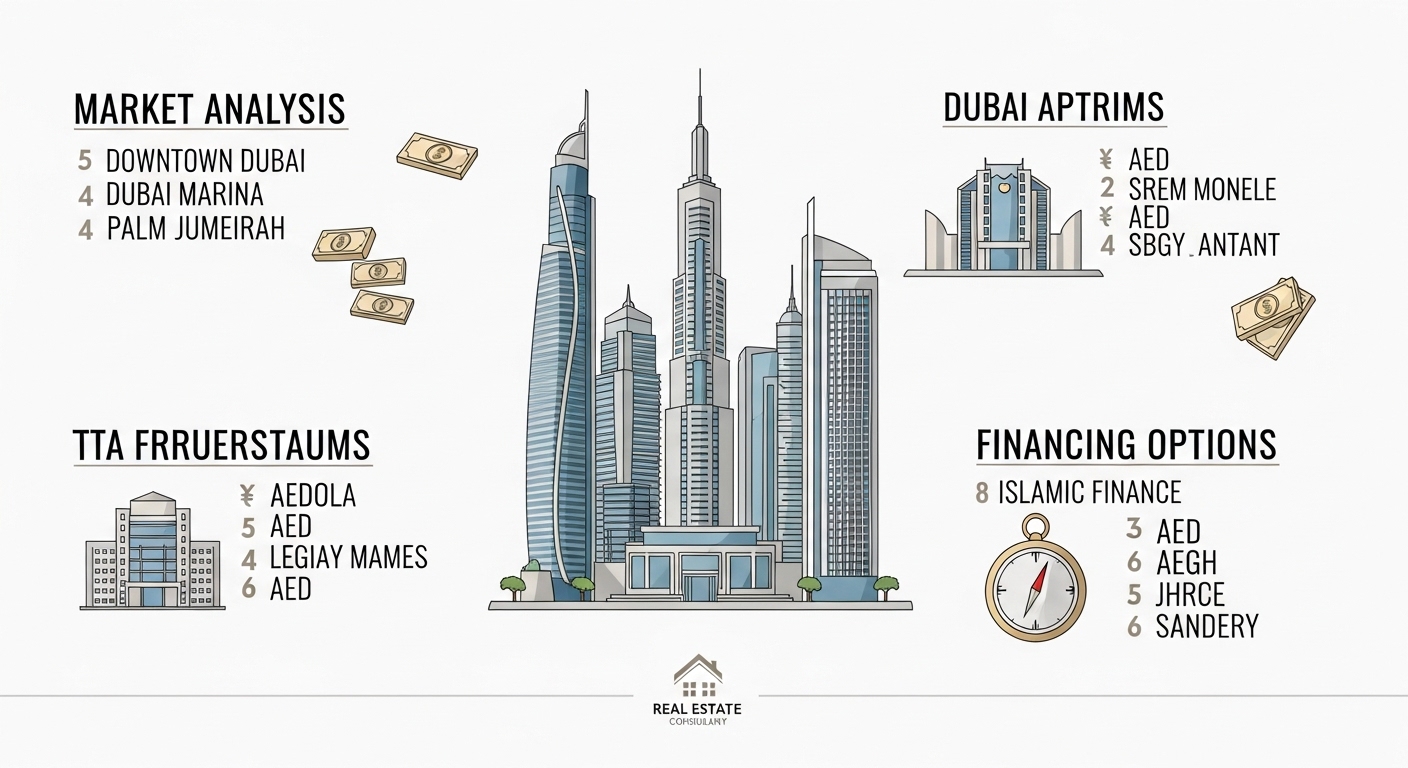
Downtown Dubai
-
Dubai Marina
-
Palm Jumeirah
Choosing the right strategy significantly impacts your ROI.
Step 2: Calculate Real ROI
Many investors focus only on gross rental yield. However, true profitability depends on:
-
Service charges
-
Maintenance costs
-
Vacancy rate
-
Property management fees
-
Mortgage payments (if financed)
Example:
If a property costs AED 1,000,000 and generates AED 80,000 annually:
Gross yield = 8%
After expenses:
Net yield may be around 6%–7%
Professional analysis from property investment consultants in Dubai helps investors calculate realistic returns before purchasing.
Step 3: Select High-Demand Property Types
Certain property types perform better for rentals.
Studios & 1-Bedroom Apartments
-
High demand
-
Easier to rent
-
Affordable entry price
-
Strong yields
2-Bedroom Units
-
Family tenants
-
Longer tenancy duration
Villas
-
Premium rent
-
Lower yield percentage
-
Higher capital appreciation
Smaller units often deliver higher rental percentages compared to luxury villas.
Step 4: Location Is Everything
Location determines occupancy rate and rental stability.
Key factors:
-
Proximity to metro
-
Business districts
-
Schools
-
Shopping centers
-
Hospitals
-
Tourist attractions
Areas with strong infrastructure development typically show faster appreciation and stable rental demand.
Working with knowledgeable Dubai real estate experts ensures data-backed location selection.
Step 5: Off-Plan vs Ready Property for Rentals
Off-Plan Property
-
Lower purchase price
-
Flexible payment plans
-
No immediate rental income
-
Appreciation potential
Ready Property
-
Immediate rental income
-
No construction risk
-
Higher upfront cost
For passive income seekers, ready properties are usually the safer option.
Scaling Your Rental Portfolio
Building passive income becomes more powerful when you scale.
Strategy:
-
Start with one high-yield property
-
Use rental income to support second purchase
-
Refinance after appreciation
-
Diversify across areas
Over time, multiple properties generate stable monthly cash flow.
Property Management – DIY or Professional?
Managing tenants involves:
-
Tenant screening
-
Rent collection
-
Maintenance coordination
-
Legal compliance
-
Advertising vacant units
Busy investors often hire professional property managers.
If you prefer expert support, you can contact trusted property consultants to manage tenant placement and property operations efficiently.
Financing Rental Properties
Mortgage financing can accelerate portfolio growth.
For UAE Residents:
-
Up to 80% loan-to-value
For Non-Residents:
-
Typically 50–60% financing
Using leverage responsibly increases overall return on equity.
However, investors must ensure rental income comfortably covers mortgage payments.
Short-Term Rental Profit Strategy
Holiday rentals can generate 20%–30% higher income than long-term leases in prime areas.
However:
-
Requires furnishing
-
Higher marketing costs
-
Management fees
-
Seasonal occupancy fluctuation
Investors must calculate occupancy rates carefully before choosing this strategy.
Golden Visa Through Property Investment
Investing AED 2 million or more in property qualifies for long-term residency under the UAE Golden Visa program.
This allows:
-
10-year residency
-
Family sponsorship
-
Business opportunities
Rental investors benefit from long-term stability while generating income.
Risk Management for Rental Investors
Even strong markets have risks.
Key risks:
-
Vacancy periods
-
Market correction
-
Oversupply
-
Unexpected maintenance
-
Economic downturn
Risk mitigation strategies:
-
Diversify locations
-
Choose high-demand communities
-
Maintain emergency funds
-
Work with experienced Dubai real estate experts
Emerging Rental Hotspots in 2026
-
Dubai South
-
Arjan
-
Meydan
-
JVC expansion zones
-
Dubai Creek Harbour
These areas offer strong growth potential and competitive entry prices.
Early investors often benefit from price appreciation combined with strong rental demand.
Long-Term Capital Appreciation
Dubai’s long-term growth drivers include:
-
Population increase
-
Infrastructure development
-
Expo legacy projects
-
Tourism growth
-
Foreign investor influx
These factors support rising property values over time.
Passive income investors benefit from both monthly rent and long-term appreciation.
Tax Advantages
Dubai’s rental income benefits from:
-
No rental income tax
-
No annual property tax
-
No capital gains tax
This significantly increases net profitability compared to Western markets.
How Much Passive Income Can You Generate?
Example scenario:
3 properties × AED 70,000 annual net income = AED 210,000 yearly passive income.
As portfolio grows:
5–7 properties can generate substantial financial independence.
The key is disciplined acquisition and smart financial structuring.
2026 Market Outlook
Dubai’s rental market remains strong due to:
-
Rising population
-
Corporate relocations
-
Expanding free zones
-
Tourism growth
-
Investor-friendly policies
Rental demand is expected to remain stable or increase in prime communities.
Final Thoughts
Building passive income through rental properties in Dubai is one of the most effective long-term wealth-building strategies available in 2026.
The formula for success includes:
-
Strategic location selection
-
Accurate ROI analysis
-
Proper financing
-
Portfolio diversification
-
Professional guidance
By working with experienced Dubai real estate experts and seeking professional portfolio planning through contact trusted property consultants, investors can create sustainable, long-term rental income streams in one of the world’s most dynamic real estate markets.
Dubai continues to offer exceptional opportunities for investors ready to take calculated, strategic action.